How Many Security Cameras Does a House Really Need?
There is no single correct number. The right camera count follows the way people can actually move around your property.

There is no single correct number
Ask how many cameras a house needs and you'll get a package size in return — four, six, eight. The honest answer is that the number follows your property, not a brochure. A compact home on a small block and a two-storey home on a corner block will need very different coverage.
A better question is: which approach routes and entry points do I want to see, and from where? Answer that and the camera count mostly works itself out.
Start with the way people approach your home
Cameras are most useful where they capture someone before they reach a door. Walk your block from the street, the side and the rear. Every route a person could take to reach your home is a candidate for coverage.
- The driveway and front approach — where visitors and vehicles arrive
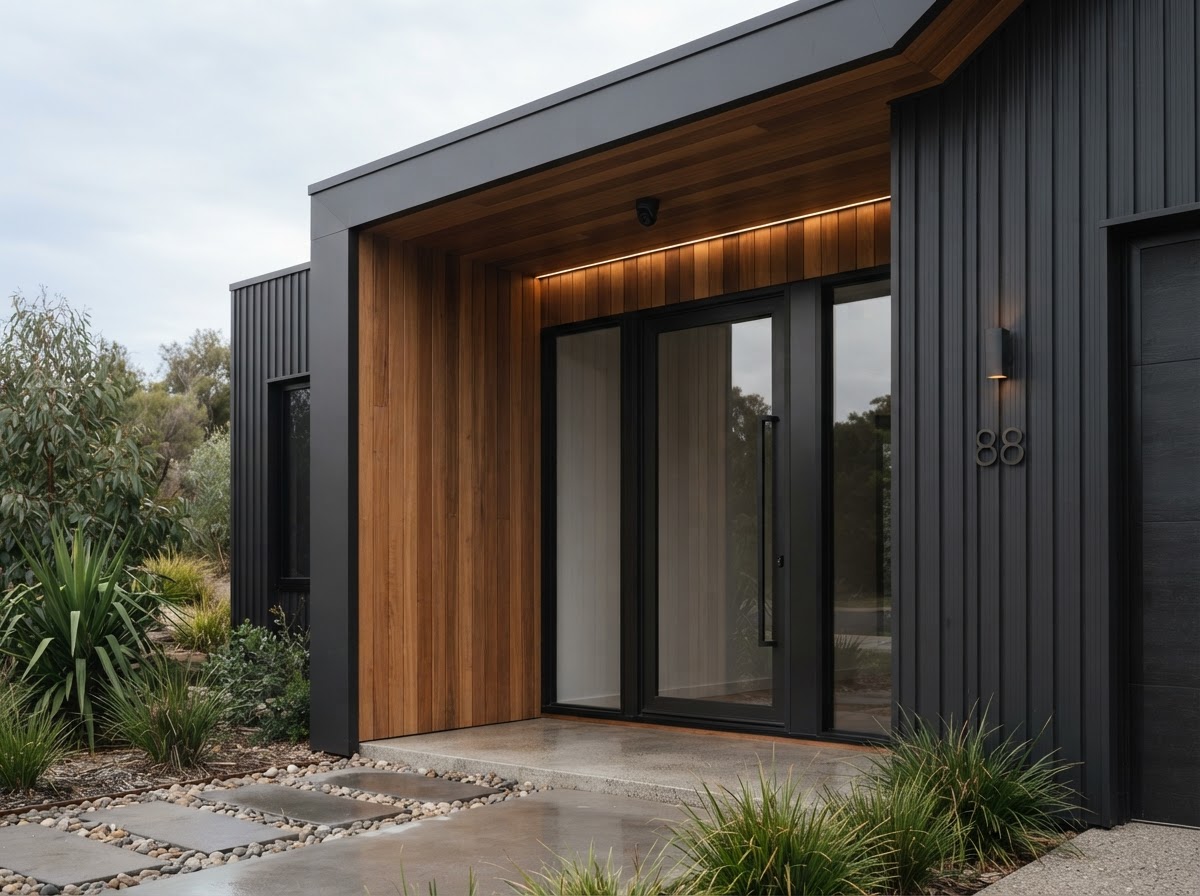
- The front entry and door — for clear identification of faces
- Side access — an unseen route that's often skipped
- Rear access — the back yard, rear doors and any rear lane
- The garage and its internal door into the home
Two-storey homes change the maths
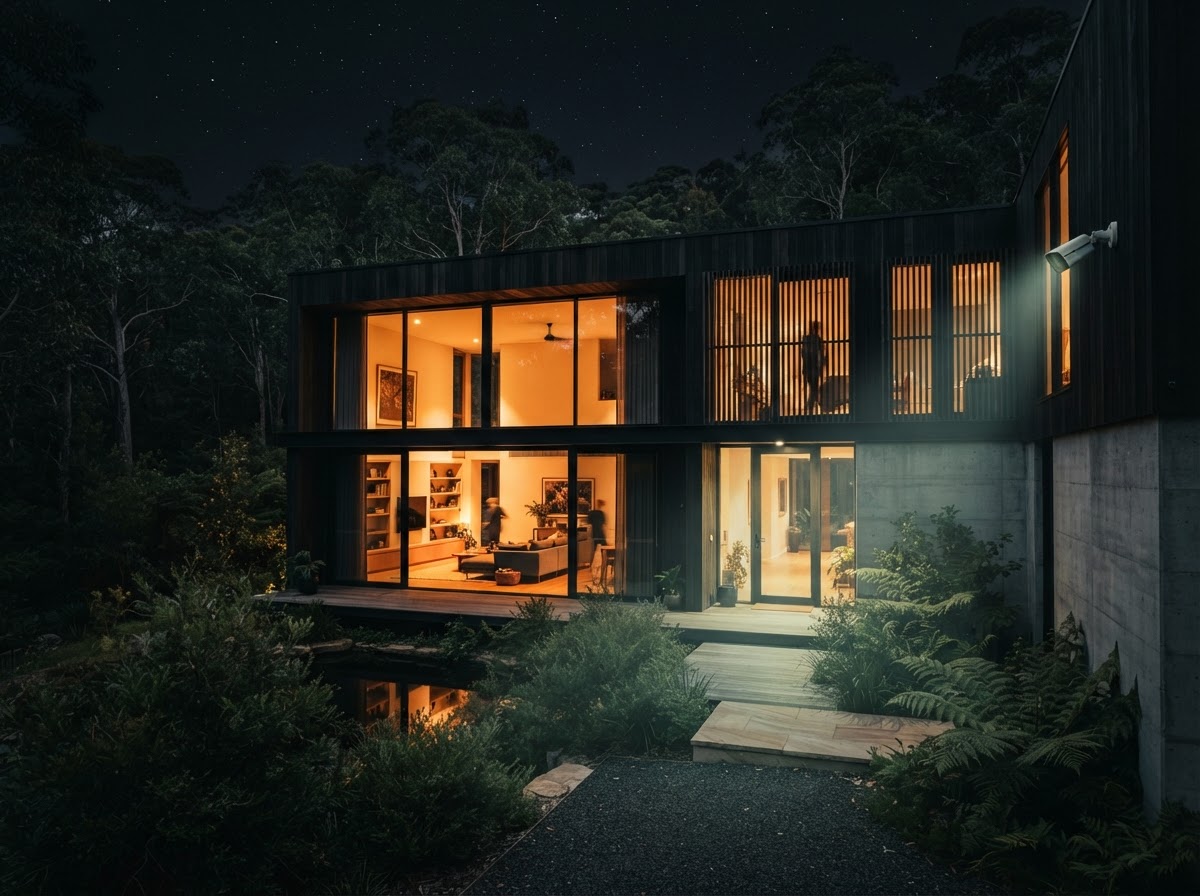
A two-storey home often needs fewer cameras to cover the same ground, because a single camera mounted high under the upper eave can see across the frontage, the driveway and the street approach in one frame. The trade-off is height: the higher the camera, the harder it is to capture a clear face angle, so we usually pair a high overview camera with a lower front-entry camera.
Downstairs, side and rear access still need their own coverage — the upper floor doesn't help you see a side gate at ground level.
Cameras you probably don't need
It's easy to over-specify. A camera pointed at every window from inside adds cost and storage without much benefit — internal detection usually covers that role more effectively. Likewise, a camera covering a hedge with no approach route is largely decorative.
A well-planned system covers the approach routes and entries, then uses internal detection for the inside. That combination usually lands between four and seven cameras for a typical home, but yours may differ.
Why a site assessment beats a fixed package
A fixed package is convenient for the seller, not necessarily for you. A short assessment maps your actual approach routes, lighting, sightlines and the things you specifically want to protect — then the camera count and placement follow.
If you'd like that mapped out for your home, we offer a free security risk assessment across the Gold Coast and Brisbane. You can even start remotely by sending us photos of your property.
Map this to your own home.
A free SCKA assessment turns this advice into a plan for your property — across the Gold Coast and Brisbane. Start remotely by sending us photos.
Get My Free Security Risk Assessment